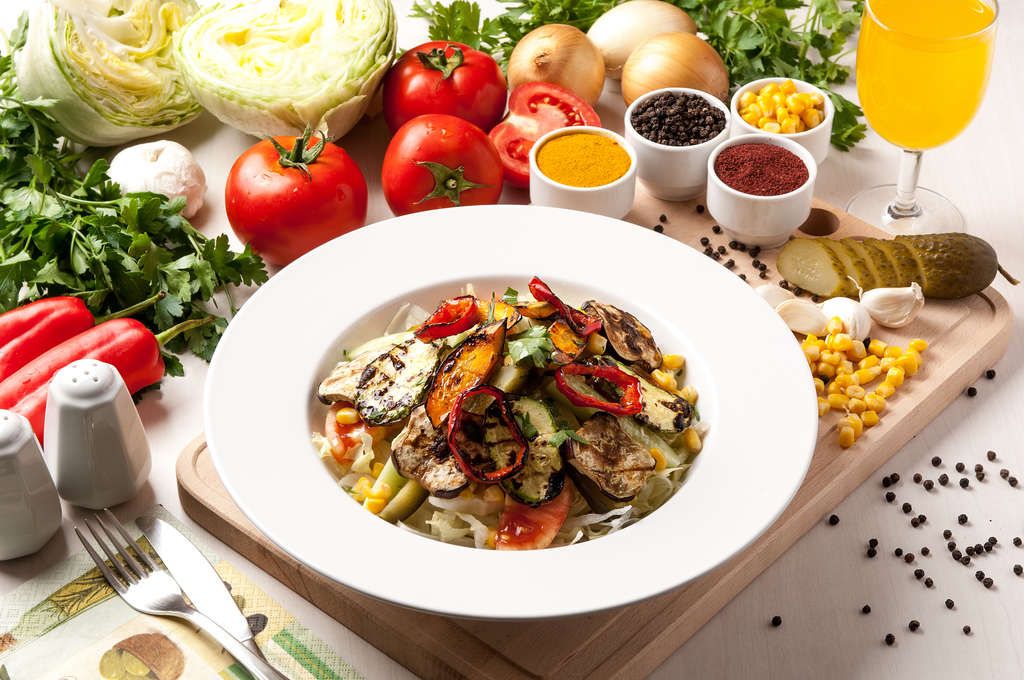
Traveling isn’t just about sightseeing—it’s also about tasting, savoring, and experiencing cultures through food. Culinary travel allows explorers to connect with local traditions, history, and people through their cuisine. From street food stalls to Michelin-starred restaurants, the flavors of a region tell stories that guidebooks often miss. Whether you’re a seasoned foodie or just curious, exploring the world through food can turn any trip into a rich, memorable adventure.
1. Discovering Street Food
Street food is often the heart and soul of a culture. Cities like Bangkok, Mexico City, and Marrakech are famous for vibrant street food scenes, where local chefs serve everything from spicy noodles to tacos and sweet pastries. Sampling street food not only provides authentic flavors but also offers a glimpse into daily life. It’s an affordable and immersive way to taste a destination, meet locals, and understand culinary traditions.
2. Visiting Local Markets
Markets are treasure troves for food lovers. From the fresh produce and spices of Marrakech’s souks to the seafood markets in Tokyo, exploring markets allows travelers to see the ingredients behind the dishes. Many markets also offer cooking classes, tastings, or guided tours that help visitors understand local cuisine and culinary techniques. Observing how locals shop, bargain, and prepare food adds depth to a travel experience that restaurants alone can’t provide.
3. Participating in Cooking Classes
Cooking classes are a hands-on way to learn about a culture. Whether it’s making pasta in Italy, sushi in Japan, or curry in India, these classes teach more than recipes—they convey traditions, techniques, and the stories behind the dishes. Participating in a cooking class gives travelers a sense of accomplishment and allows them to recreate the flavors of their journey at home, keeping the memories alive long after the trip ends.
4. Dining at Michelin-Starred and Unique Restaurants
For those seeking gourmet experiences, dining at renowned restaurants offers a taste of culinary innovation. Cities like Paris, New York, and Copenhagen feature Michelin-starred establishments where chefs craft dishes that balance creativity, tradition, and presentation. Unique dining experiences—such as dining in the dark, underwater restaurants, or farm-to-table meals—also provide unforgettable culinary adventures. These experiences combine taste, artistry, and storytelling, making meals memorable parts of travel.
5. Tasting Regional Specialties
Every region has signature dishes that reflect local history, climate, and culture. From Spanish paella to Moroccan tagine, regional specialties provide insight into the land and its people. Seeking out local favorites rather than sticking to international cuisine allows travelers to immerse themselves fully in the culinary culture. Food tours, both guided and self-directed, are excellent ways to sample a variety of regional specialties.
6. Exploring Food Festivals
Food festivals celebrate local flavors and traditions. Events like the Tomato Festival in Spain, Oktoberfest in Germany, and the Night Market Festivals in Taiwan allow travelers to sample seasonal dishes, enjoy cultural performances, and engage with local communities. Festivals also offer opportunities to learn about traditional recipes, cooking methods, and food customs, making them both educational and entertaining.
7. Pairing Food with Local Beverages
A complete culinary experience often includes beverages. Wine regions like Bordeaux and Napa Valley offer tasting tours that pair local wines with regional cuisine. Similarly, exploring coffee in Ethiopia, tea in China, or craft beers in Belgium deepens understanding of local flavors. Pairing food and beverages enhances the taste experience and highlights the connection between ingredients, culture, and geography.
Culinary travel is more than eating—it’s about connecting with a destination on a sensory and cultural level. From bustling street markets to elegant dining experiences, food tells the stories of communities, history, and traditions. By embracing local flavors, participating in hands-on experiences, and exploring culinary festivals, travelers can experience the world in a way that satisfies both appetite and curiosity. Food becomes a passport to culture, making every bite a gateway to unforgettable adventures.