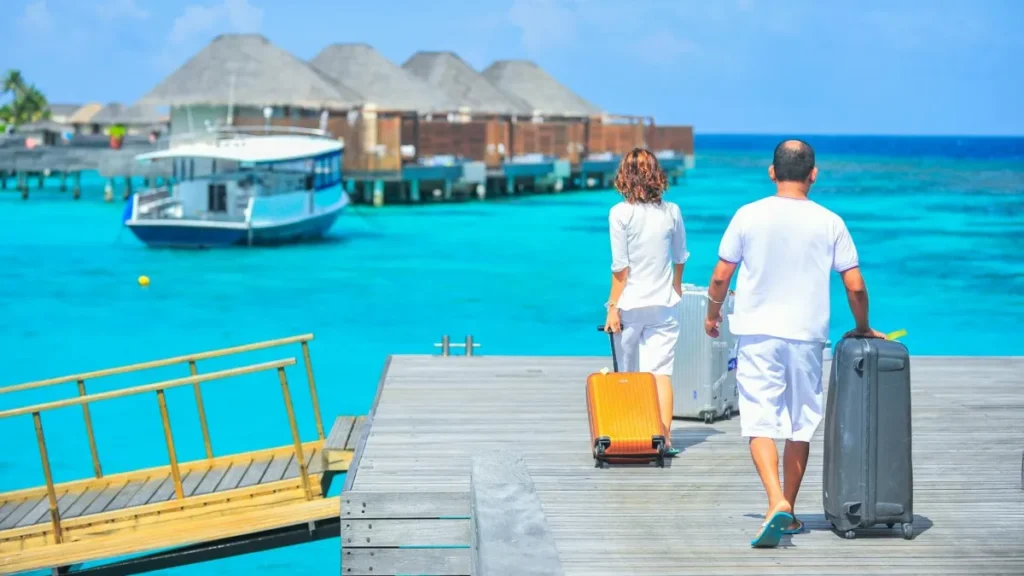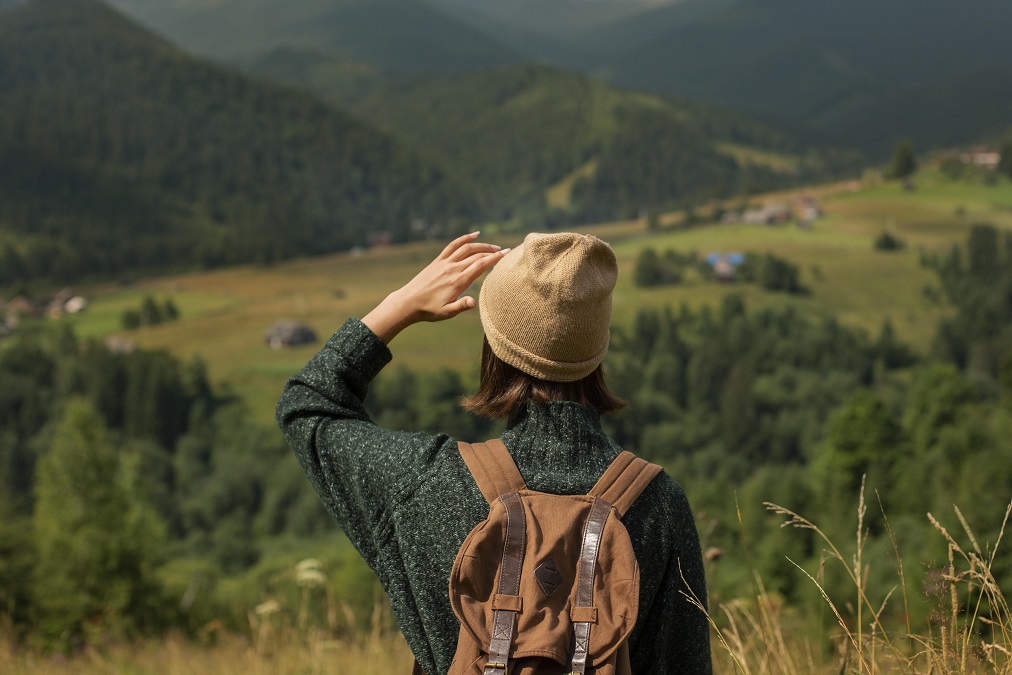
Traveling solo is one of the most rewarding ways to explore the world. It offers unparalleled freedom, self-discovery, and the chance to connect with new people and cultures on your own terms. While it can feel intimidating at first, solo travel is an empowering experience that builds confidence, independence, and a deeper appreciation for the places you visit. Whether it’s a weekend getaway or a months-long journey, this guide will help you navigate the essentials of traveling alone.
1. Choosing the Right Destination
The first step in planning a solo trip is selecting a destination that aligns with your interests, comfort level, and safety preferences. Cities with well-developed tourism infrastructure, such as Tokyo, Barcelona, or Melbourne, are ideal for first-time solo travelers. For those seeking adventure, destinations like Costa Rica, New Zealand, or Iceland offer active experiences and opportunities to meet fellow travelers. Researching local customs, transportation, and safety tips ensures a smoother journey.
2. Planning Your Itinerary
One of the benefits of solo travel is the ability to create a fully personalized itinerary. You can spend hours exploring museums, hike at your own pace, or lounge in a café without compromise. However, it’s still important to plan key activities, accommodations, and transport in advance for safety and convenience. Leaving some free time allows spontaneity and the chance to follow local recommendations discovered along the way.
3. Staying Safe While Traveling Alone
Safety is a priority when traveling solo. Simple precautions—such as keeping copies of your passport, avoiding risky areas at night, and staying aware of your surroundings—can make a huge difference. Choose accommodations in safe neighborhoods and consider joining local tours or activities to meet people while staying secure. Trusting your instincts and having emergency contacts at hand ensures peace of mind during your travels.
4. Making Connections on the Road
Solo travel doesn’t mean being lonely. Many travelers use hostels, co-working spaces, and social apps to connect with fellow travelers. Group tours, cooking classes, or language exchanges are excellent ways to meet locals and other explorers. Being open and approachable often leads to meaningful connections, shared experiences, and even long-lasting friendships.
5. Packing Smart for Solo Travel
Packing efficiently is crucial when traveling alone. Lighter luggage is easier to manage, and packing versatile clothing minimizes stress. Essentials include a secure day bag, portable charger, first-aid kit, and copies of important documents. Being well-prepared allows you to focus on enjoying the journey rather than dealing with logistics or emergencies.
6. Embracing Independence and Flexibility
Solo travel encourages self-reliance and spontaneity. You can wake up early for sunrise hikes, linger in a café, or change plans on a whim. Embracing flexibility allows you to explore deeper, try new experiences, and discover your own pace. This freedom fosters personal growth, mindfulness, and a greater appreciation for both your journey and yourself.
7. Managing Loneliness and Staying Inspired
It’s normal to feel lonely at times when traveling alone. Maintaining communication with friends and family, journaling, or participating in group activities can help. Solo travel also offers introspection and opportunities to explore passions such as photography, writing, or adventure sports. Focusing on personal growth transforms moments of solitude into empowering experiences.
8. Tips for Enjoying the Solo Travel Experience
Solo travel requires confidence, adaptability, and openness to new experiences. Prioritize safety, plan key logistics, and allow for spontaneity. Learn a few local phrases, respect cultural norms, and immerse yourself fully in each destination. The more open you are to new people, foods, and experiences, the richer your journey becomes.
Traveling alone is an extraordinary way to see the world on your own terms. It nurtures independence, resilience, and a deeper connection to the places you visit. By choosing the right destinations, prioritizing safety, making connections, and embracing the freedom to explore, solo travel becomes a transformative adventure that leaves you with memories, skills, and confidence that last a lifetime.